
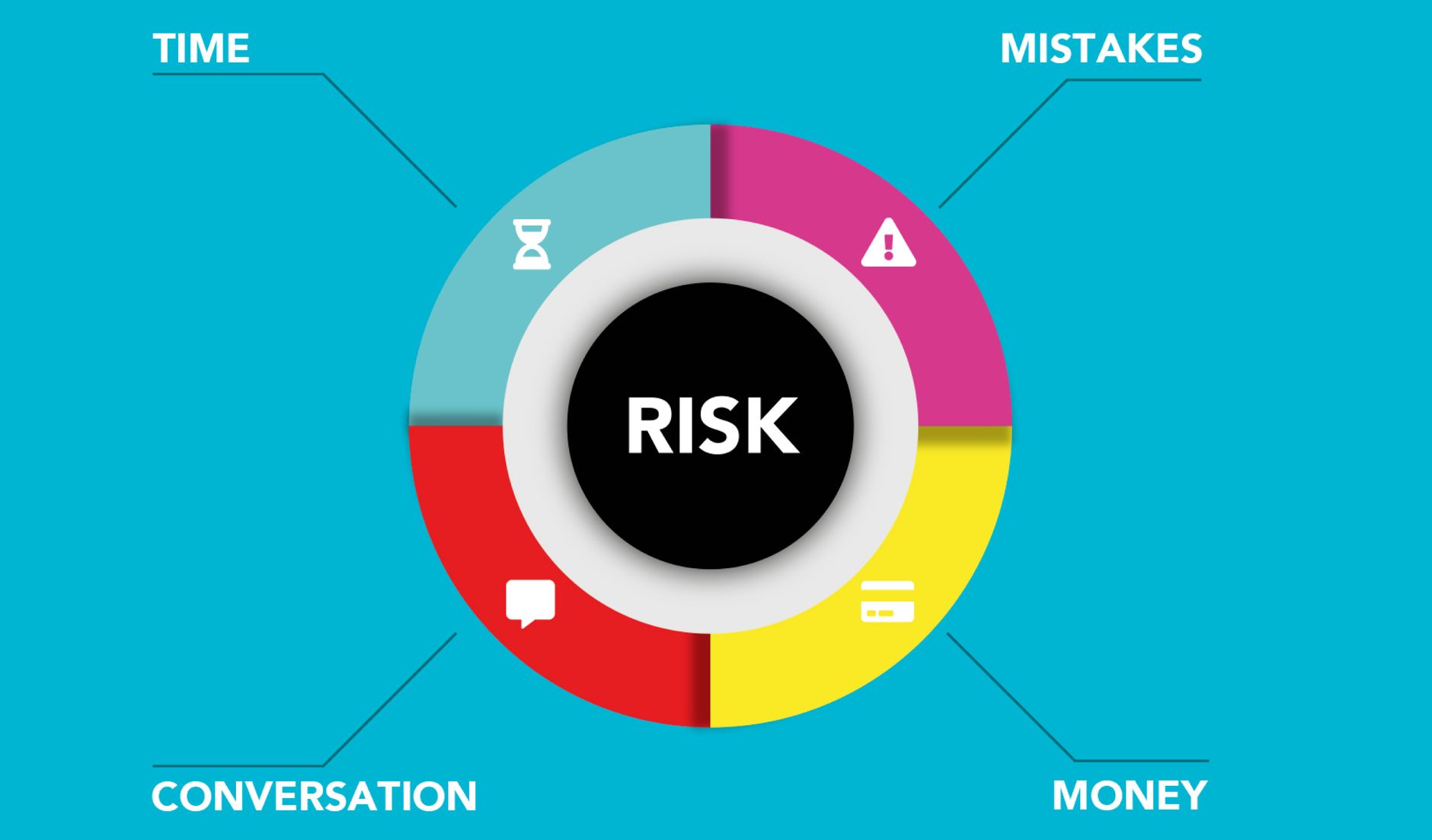
Successful trading is not only about finding profitable opportunities; it is also about protecting the money already invested. The currency market can experience sudden price changes, making careful planning essential for every trader. Using Forex Risk Management Tools helps traders create better strategies, reduce unnecessary losses, and make more confident decisions while managing their trading capital.
Why Is Risk Management Essential in Forex Trading?
Risk management is the process of controlling potential losses before they happen. Many traders focus mainly on profit opportunities but forget that protecting capital is a key part of long-term success. Without proper risk control, a few unsuccessful trades can negatively affect an entire trading account.
A strong risk management approach allows traders to continue participating in the market even during challenging periods. It creates a structured method where decisions are based on planning rather than emotions.
How Do Stop-Loss Tools Help Protect Capital?
A stop-loss is one of the most commonly used methods for limiting potential losses. It allows traders to decide the maximum amount they are willing to lose on a specific trade.
When the market moves in an unfavorable direction, a stop-loss automatically closes the position at a chosen level. This prevents traders from holding losing trades for too long and helps maintain better control over their overall strategy.
Why Is Proper Position Sizing Important?
Position sizing determines the amount of money placed on each trade. Choosing the right trade size can help prevent large losses and maintain a balanced account.
Many experienced traders avoid risking a large percentage of their capital on one position. Instead, they use calculated trade sizes based on their risk tolerance and account conditions. This approach helps create consistency and reduces the pressure of individual trade outcomes.
What Role Does Risk-to-Reward Planning Play?
A risk-to-reward ratio helps traders compare possible losses with expected gains before entering a trade. It provides a clear understanding of whether a trading opportunity is worth taking.
By focusing on trades with favorable potential outcomes, traders can improve their decision-making process. A well-planned ratio encourages patience and prevents unnecessary trades based on excitement or fear.
How Can Trading Journals Improve Risk Management?
Keeping a trading journal allows traders to record important details about every trade. This includes entry points, exit levels, market conditions, and emotional reactions.
Reviewing previous trades helps identify repeated mistakes and successful patterns. Over time, traders can adjust their methods and develop stronger habits that support better capital protection.
Why Is Emotional Control Important for Traders?
Emotions can influence trading decisions and often lead to unnecessary risks. Fear may cause traders to exit too early, while greed can encourage excessive risk-taking.
Risk management tools help create a structured environment where traders follow planned actions instead of reacting emotionally. Discipline and consistency are important qualities for maintaining long-term performance.
How Does Diversification Reduce Trading Risk?
Diversification involves spreading exposure across different trading opportunities instead of depending on a single position. This can help reduce the impact of one unsuccessful trade.
Although diversification cannot remove all risks, it provides a more balanced approach. Traders who manage exposure carefully can protect their accounts from major unexpected movements.
What Is the Best Way to Build a Strong Risk Management Strategy?
A successful risk management strategy combines several methods, including stop-loss planning, position control, risk-to-reward evaluation, and regular performance reviews. No single tool can guarantee success, but using multiple techniques creates stronger protection.
Forex trading requires patience, preparation, and responsible decision-making. Traders who prioritize capital protection are better prepared to handle market changes and improve their skills over time.
Protecting trading funds should always remain a priority. With smart planning and effective risk management practices, traders can build a more stable approach and make informed decisions in the dynamic forex environment.