
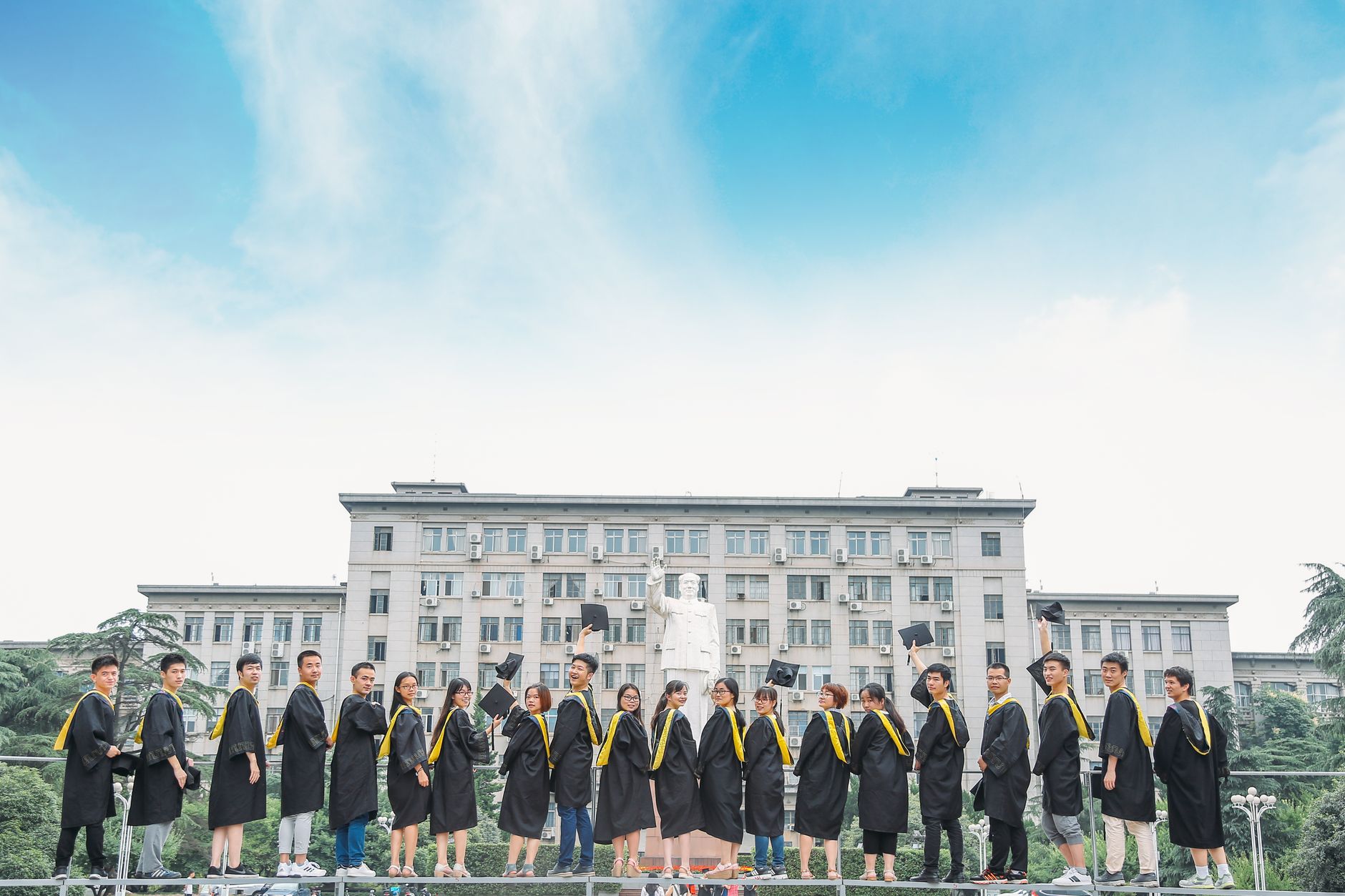
Campus placements future is becoming less significant in today’s evolving job market. As industries change, graduates must adapt their strategies for career success.
Understanding the Shift in Campus Placements
The landscape of campus placements is undergoing significant changes that could reshape the future of employment for graduates. Understanding the shift in campus placements is crucial for both students and educational institutions alike.
Several factors contribute to this evolving scenario:
- Technological Advancements: Automation and artificial intelligence are transforming traditional job roles, leading to a mismatch between educational outcomes and industry needs.
- Hiring Trends: Employers are increasingly valuing skills and practical experience over degrees, which may diminish the importance of campus placements.
- Global Competition: With the rise of remote work, job seekers now compete with talent from around the world, making local campus placements less relevant.
As the future unfolds, the traditional model of campus placements may no longer hold the same weight. Students will need to adapt by acquiring diverse skills and experiences to remain competitive in a changing job market. The future of campus placements is uncertain, but adaptability will be key to navigating these challenges.
Why Traditional Campus Placements Are Declining
The landscape of campus placements is undergoing significant changes, leading to a decline in traditional methods. Several factors contribute to this shift, reshaping the future of campus placements.
- Technological Advancements: The rise of technology has enabled companies to explore alternative recruitment methods, such as online assessments and virtual interviews, making the traditional campus placement process less relevant.
- Skill-Based Hiring: Employers are increasingly prioritizing skills over degrees. This trend means that candidates may not need to rely solely on campus placements to secure job offers.
- Global Talent Pool: Organizations are tapping into a global workforce, which diminishes the importance of local campus placements. This broadens their options for finding the best talent.
- Changing Employer Expectations: Companies are looking for candidates with real-world experience, often gained through internships or project work, rather than just academic achievements.
As these factors unfold, the future of campus placements may look drastically different, calling into question their traditional effectiveness.
The Role of Internships in Career Development
Internships have become an essential component of career development, particularly as the landscape of campus placements evolves. In the face of declining reliance on traditional campus placements, students are increasingly turning to internships to enhance their employability.
Internships offer numerous benefits that align well with the demands of modern employers:
- Practical Experience: Internships provide real-world experience, allowing students to apply theoretical knowledge in practical settings.
- Networking Opportunities: Students can build valuable connections within their industry, which may lead to future job offers or referrals.
- Skill Development: Internships help students acquire essential skills that are often not covered in academic curricula, making them more attractive to potential employers.
- Increased Confidence: Completing an internship can boost a student’s confidence and clarify their career aspirations.
As the future of campus placements shifts, the emphasis on internships is likely to grow, making them a critical element in shaping successful career trajectories.
Emerging Job Opportunities Beyond Campus Placements
As the landscape of job recruitment evolves, emerging job opportunities beyond traditional campus placements are gaining traction. Companies are increasingly seeking candidates with practical skills and real-world experience, shifting their focus from conventional hiring methods.
Several factors contribute to this trend:
- Gig Economy Growth: The rise of freelance and contract work offers individuals the chance to showcase their skills without being tied to traditional employment.
- Remote Work Opportunities: With remote working becoming standard, employers are now open to hiring talent from different geographical locations, expanding the job market.
- Skill-Based Hiring: Organizations are prioritizing candidates with specific skill sets over academic credentials, encouraging prospective employees to focus on relevant training.
- Networking and Personal Branding: Building a professional online presence and networking have become essential for job seekers, providing alternatives to campus placements.
In this evolving environment, the future of campus placements may look different, but numerous pathways for career development remain available.
Preparing for a Changing Job Market
The landscape of campus placements is evolving rapidly, necessitating a shift in how students prepare for their future careers. As traditional hiring methods decline, it becomes essential for students to adapt to the changing job market.
To navigate this transformation successfully, students should consider the following strategies:
- Skill Development: Focus on acquiring skills that are in high demand, such as data analysis, coding, and digital marketing.
- Networking: Build connections through professional platforms like LinkedIn and attend industry conferences to meet potential employers.
- Alternative Experience: Engage in freelance projects or part-time roles that provide relevant experience beyond campus placements.
- Continuous Learning: Embrace lifelong learning by pursuing online courses or certifications to stay competitive in the job market.
By taking proactive steps, students can prepare for a changing job market and ensure they remain relevant in the face of the uncertainties regarding campus placements future.
The campus placements future is increasingly uncertain as companies adapt to a rapidly changing job market. As we analyze the trends, it becomes clear that the campus placements future may not look as promising as it once did.
Photo by clmcdk fejcn on Pexels